Public art · Participation · Place
Whose knowledge becomes part of a place?
Everyday knowledge can shape how a place is understood and represented. Public art offers one way to bring that knowledge into a shared encounter.
Look beyond the project boundary
A street is already shaped by people, businesses and routines before a new project begins. Listening to those relationships can change the questions a commission asks and the stories it makes visible.
Recognition and representation
Representation involves choices about whose presence is recognised and how. Community conversation can bring attention to people whose contribution to a place is ordinary, ongoing and easily overlooked.
An invitation to contribute needs clarity about how material will be used and where decisions sit. That helps connect participation with the development of the work.
Translate an idea into a public encounter
Scale, material, durability and the setting all affect how a public artwork is encountered. The idea moves through conversations with communities, clients, designers and fabricators.
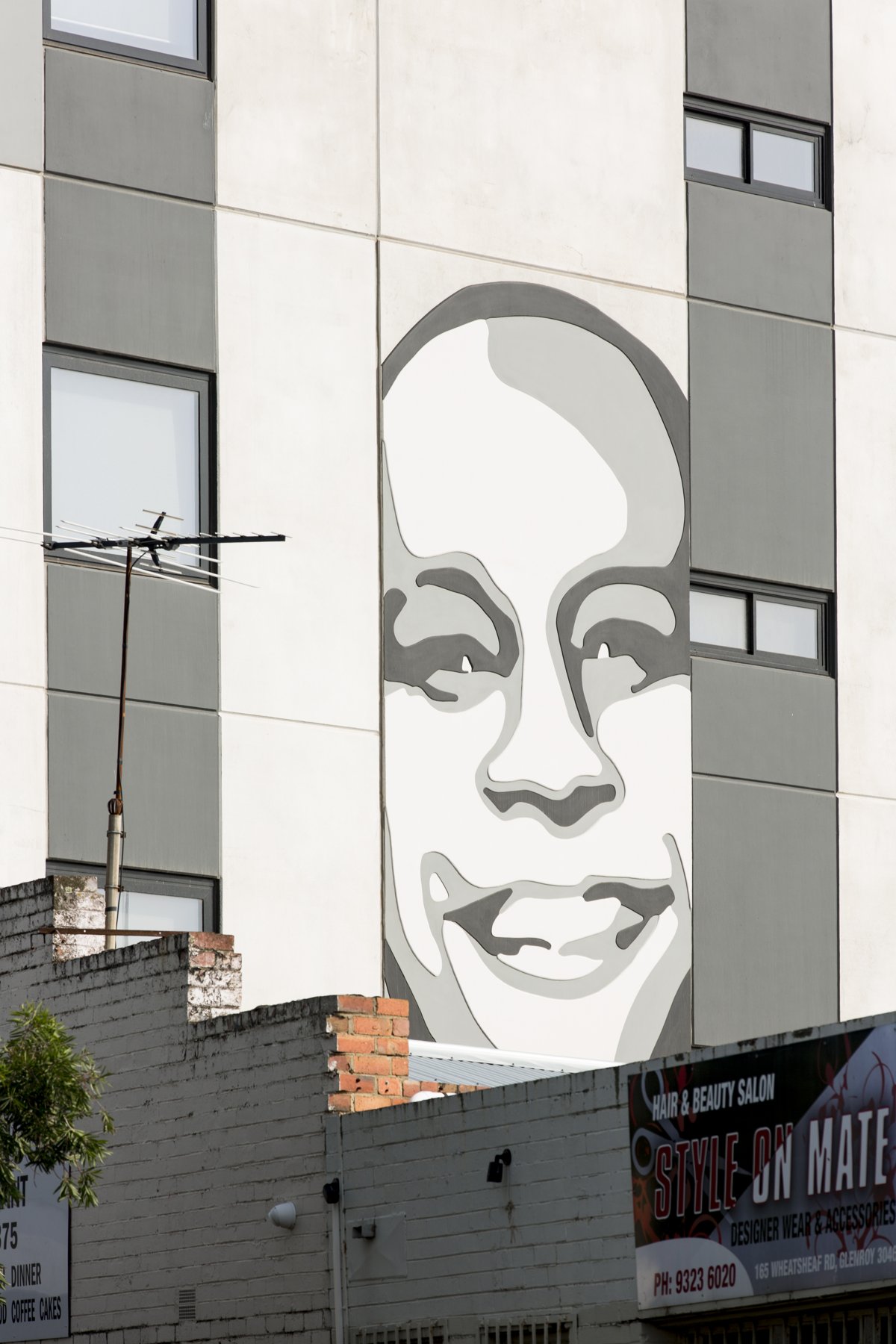
The Wheatsheaf Road project page documents one example: local portraits translated into sculptural forms within a building. The project is linked below with photographs and further context.