Place-based understanding
I consider how local conditions, social infrastructure, relationships and lived experience shape a challenge, and adapt the work to the people and places involved.
Example: Place-based community inquirySoft Infrastructure
Support for understanding community needs, involving people in decisions and turning findings into practical plans.
How I can help
Start with the support that feels closest to your brief. Related methods can be combined around the decision you need to make.
Plan community and stakeholder engagement that connects people’s knowledge with decisions and service design.
When a policy, service, programme or place needs input from people affected, or participants can help shape the approach itself.
Community consultation, stakeholder mapping and interviews, participation planning, co-design and engagement communications.
Community conversations informed a creative brief and coordinated delivery.
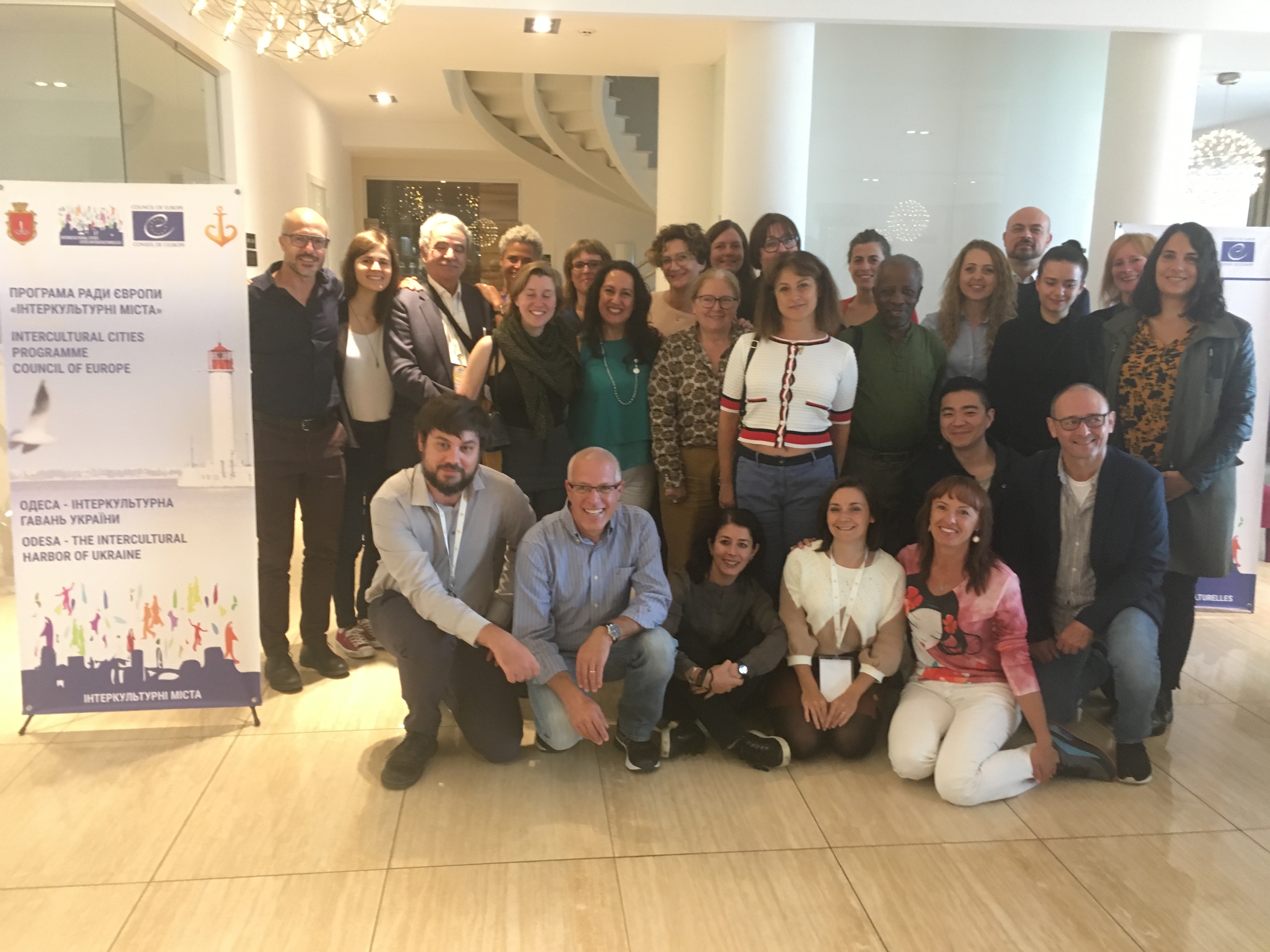
Community participation informed intercultural policy development.
Co-design with community partners informed leisure access.
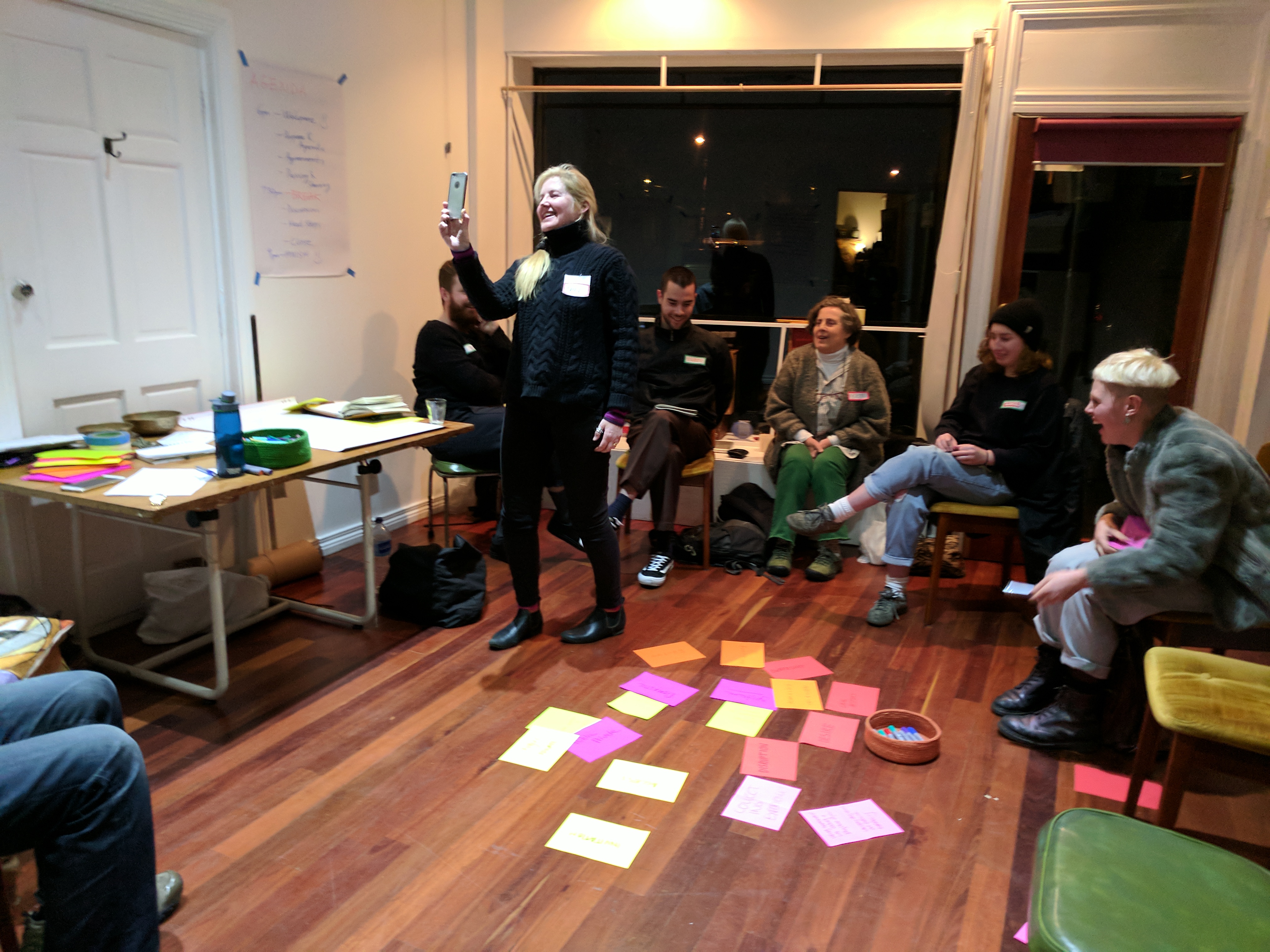
Design and facilitate workshops and meetings that help groups work through complex questions and agree practical actions.
When a team, partnership or community group needs a purposeful workshop, an independent facilitator or support with competing priorities.
Workshop facilitation, meeting facilitation, complex problem-solving and shared direction.
Designed and delivered workshops connecting gender equity tools with practical learning.
Supported groups, committees and networks through facilitation and advisory contributions.
Bring population evidence, community experience, service information and social infrastructure into clear planning advice.
When assessing community needs, facilities or service gaps, building an evidence base, or interpreting feedback and data you have already collected.
Social planning, community needs assessment, social infrastructure assessment, qualitative research, service mapping, survey analysis and reporting.
Connected community wellbeing priorities with integrated Council planning.
Brought research and evidence into policy, service and place questions.
Connected housing evidence and community experience with strategy and coordinated action.
Develop or review policy and strategy, then connect priorities with delivery, partnerships and governance.
When a policy needs review, a strategy needs clearer direction, or partners need to agree priorities, responsibilities and ways to work together.
Policy review, strategy development, implementation planning, partnership development and programme governance.
Connected priorities with organisational responsibilities, implementation and review.
Developed clearer organisational systems to support volunteer practice.
Coordinated council peers, policy exchange and network relationships.
Examine who can access, participate in and benefit from a policy, programme, service or place.
When developing policy, reviewing a service or investigating barriers related to gender, culture, language, disability, income or lived experience.
Equity review, inclusive practice, access and participation, and gender equity.
Designed and piloted a Gender Impact Analysis tool, evaluated its use and prepared recommendations.
Led a translating-and-interpreting service review to identify practical improvements.
Design community programmes and review existing services to improve access, delivery and outcomes.
When developing an initiative, reviewing an existing service, adapting a programme, evaluating a pilot or preparing for a funding decision.
Programme design, service review and improvement, programme evaluation, programme logic and improvement planning.
Developed clearer community programming pathways and coordinated access arrangements.
Applied evaluation, review and improvement across tools and organisational practice.
Design and deliver training, workshops and presentations that connect ideas, practical tools and everyday work.
When a team needs practical learning connected to its responsibilities, inclusive communication or community-facing work.
Tailored training, staff learning, scenario-based workshops, presentations and practical resources.
Designed and delivered gender equity workshops and practical tool learning.
Delivered workshops, staff learning and practical teaching.
Develop artist residencies and cultural programmes, build local partnerships and coordinate practical delivery.
When an arts or community initiative needs a producing approach, local partnerships, access planning and practical coordination.
Creative producing, artist residencies, cultural programmes, place-based arts and community events.
Produced residencies through artist, host and site coordination, with facilitated planning by Gill and Paul.
Developed neighbourhood partnerships and coordinated programme delivery.
Translated community conversations into a brief and coordinated a building-integrated project.
Finding the right support
You do not need to arrive with the right consulting term.
A facilitated workshop may be part of a wider engagement process. A needs assessment may lead to a policy review or implementation plan. We can clarify the right combination before agreeing the work.
Explore facilitation and engagement ↗Relevant experience includes previous Council roles and independent practice. Each project explains the contribution and context.
I consider how local conditions, social infrastructure, relationships and lived experience shape a challenge, and adapt the work to the people and places involved.
Example: Place-based community inquiryI look at how policies, processes and services work together, identify barriers and use evaluation, feedback and shared learning to improve practice over time.
Example: Language-services reviewI consider who can access, participate in and benefit from a service or decision, including how gender, culture, language, disability and lived experience intersect.
Example: Gender impact analysisI connect an immediate issue with its wider causes, organisational responsibilities and longer-term priorities, helping teams identify where practical change is possible.
Example: Homelessness strategyI bring a prevention lens to the conditions that shape health, including housing, food security, social connection and public space, to support better health and wellbeing outcomes.
Example: Housing, health and food-systems researchI bring research, service data and lived experience into the same conversation, with meaningful participation and clarity about how people’s input can influence decisions.
Example: Community-informed policyI consider the local setting, relationships and resources needed to make an approach work, then connect priorities with clear roles, implementation and review.
Example: Resident-led Play StreetsGetting started
Scope, outputs, timing, responsibilities and fees are agreed before work begins.
Share the issue, organisation, timeframe and support you need. Include an existing brief if you have one. We will clarify the decision, people involved, available evidence and practical requirements.
Fees reflect research depth, participation methods, sessions, locations, access requirements and agreed outputs. Timing and availability are confirmed in the proposal.