Community engagement · Brief development · Delivery
Glenroy: connecting community knowledge with project delivery
Community conversations, local research and coordination helped translate neighbourhood knowledge into a brief and its built delivery.
- Location
- 171 Wheatsheaf Road, Glenroy
- Artist
- Alisha Abate
- Practice
- Community engagement, site-responsive sculpture and coordination with building delivery

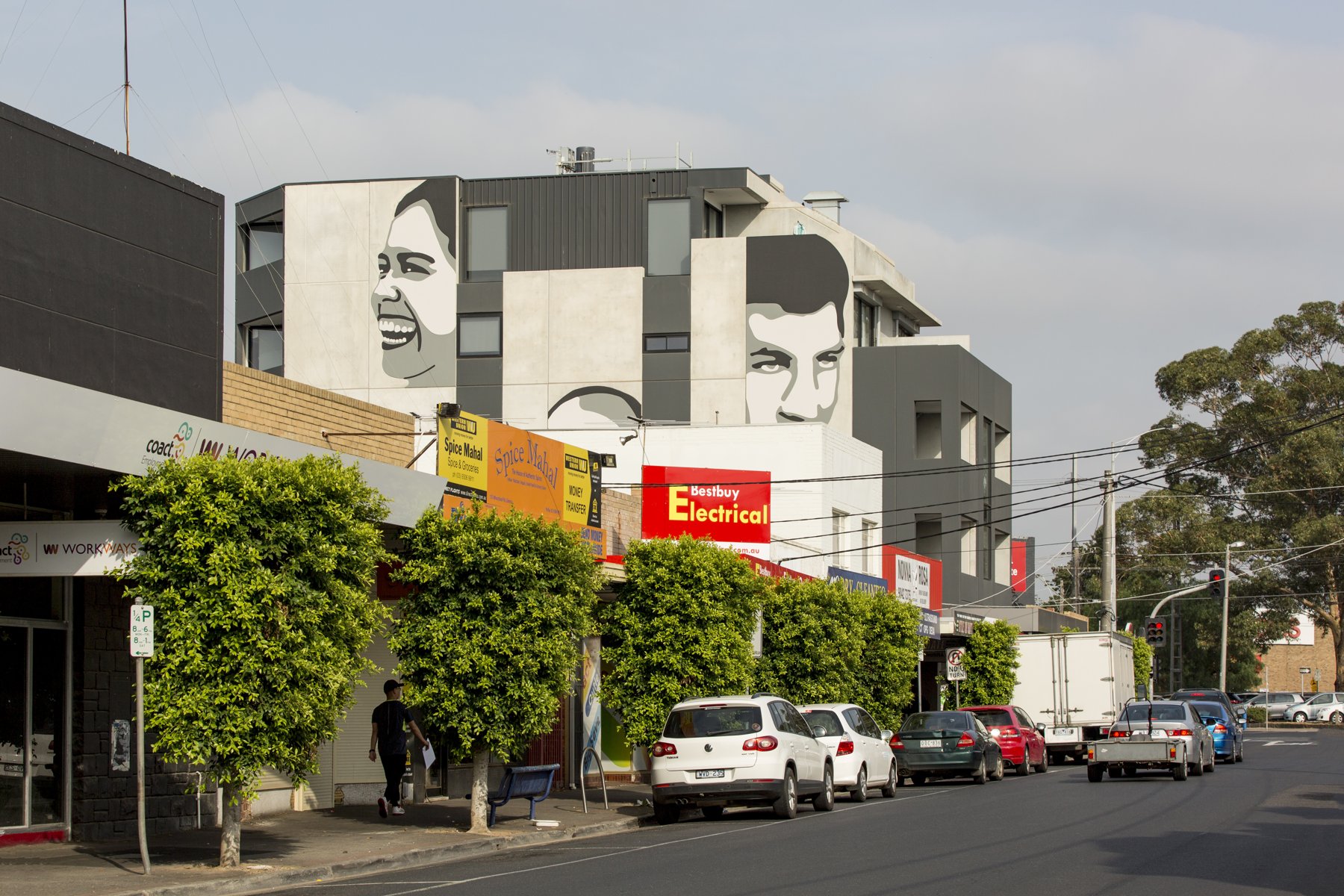
A building within an existing neighbourhood
The project began with the relationship between a new building and the people already living and working around it. Wheatsheaf Road’s shops, local routines and community connections provided the setting for a work that would become part of the building’s exterior.
Alisha’s project documents explored how a public artwork could respond to local identity, invite recognition and open conversation about the neighbourhood’s growth and change.
Research that began with people and place
Alisha’s research began with library and Council archives, local histories and conversations with residents. Alongside the architectural brief, she considered who contributed to the life of the street and whose presence might be recognised in the finished work.
This brought attention to the people working in local businesses and the often ordinary, ongoing labour through which a neighbourhood functions. The research moved between written history and the knowledge held by people who encountered the site every day.
Alisha’s role: connecting local knowledge with a commission
Commissioned to develop artwork for the new building, Alisha undertook site research, community conversations, portrait photography and design development. Her working records show a process of asking local people who they would like to see represented, discussing the changing streetscape and testing how photographic images could become sculptural forms.
Engagement was part of developing the artwork’s content. The portraits emerged through that contact with local people, while the eventual selection and arrangement also involved the commissioning team. The project makes visible both the value of community contribution and the practical negotiations involved in a building commission.
From community portraits to sculptural form
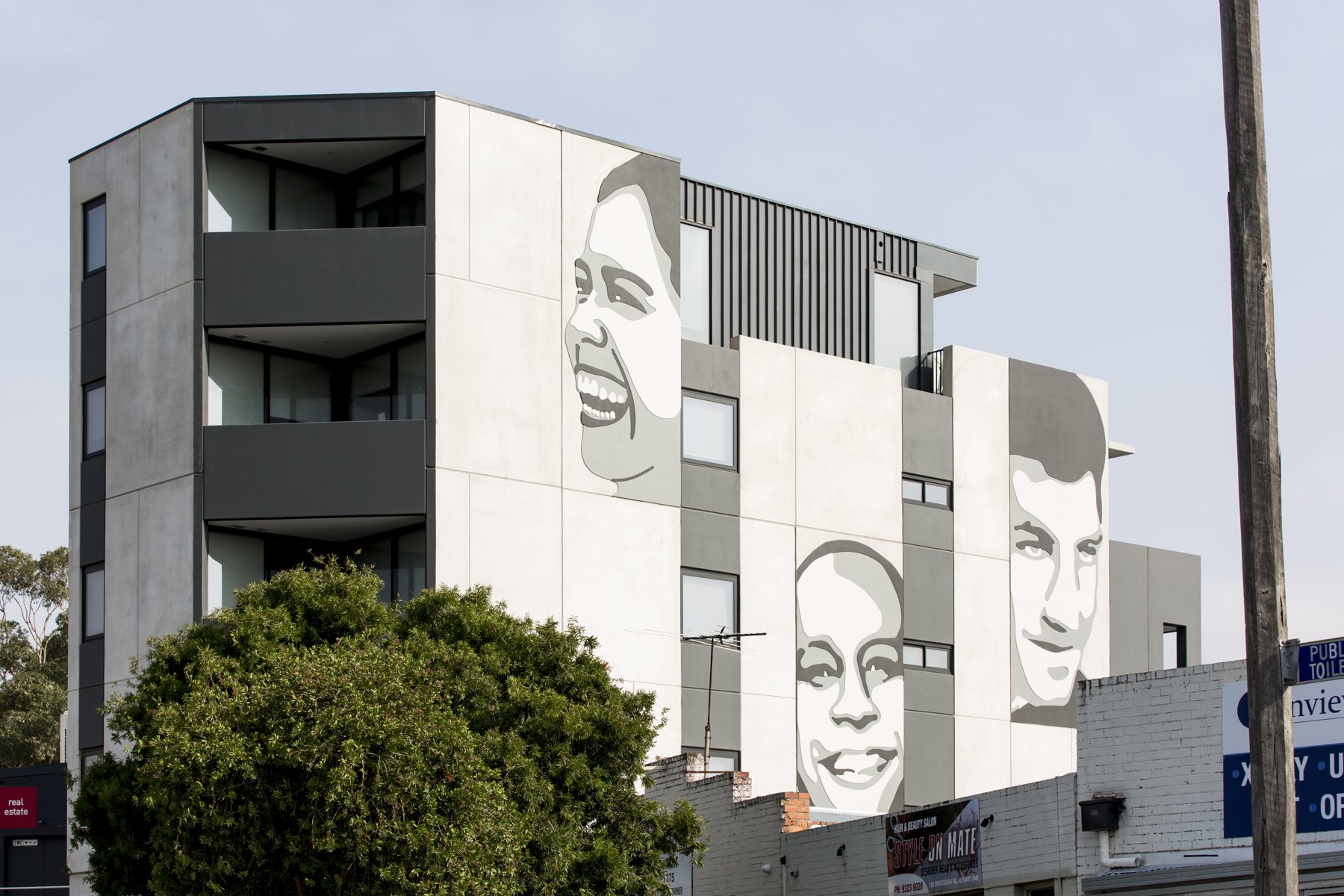
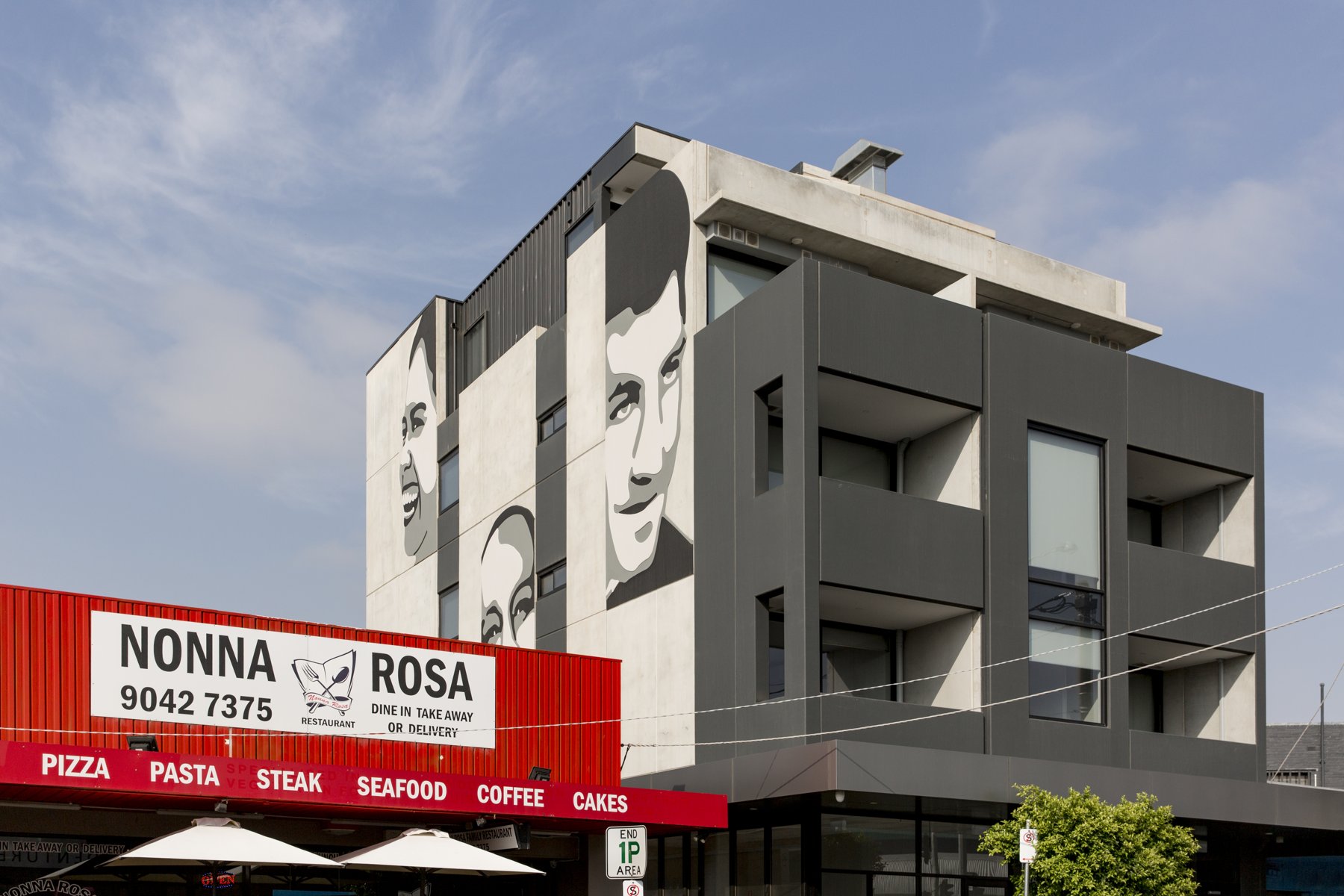
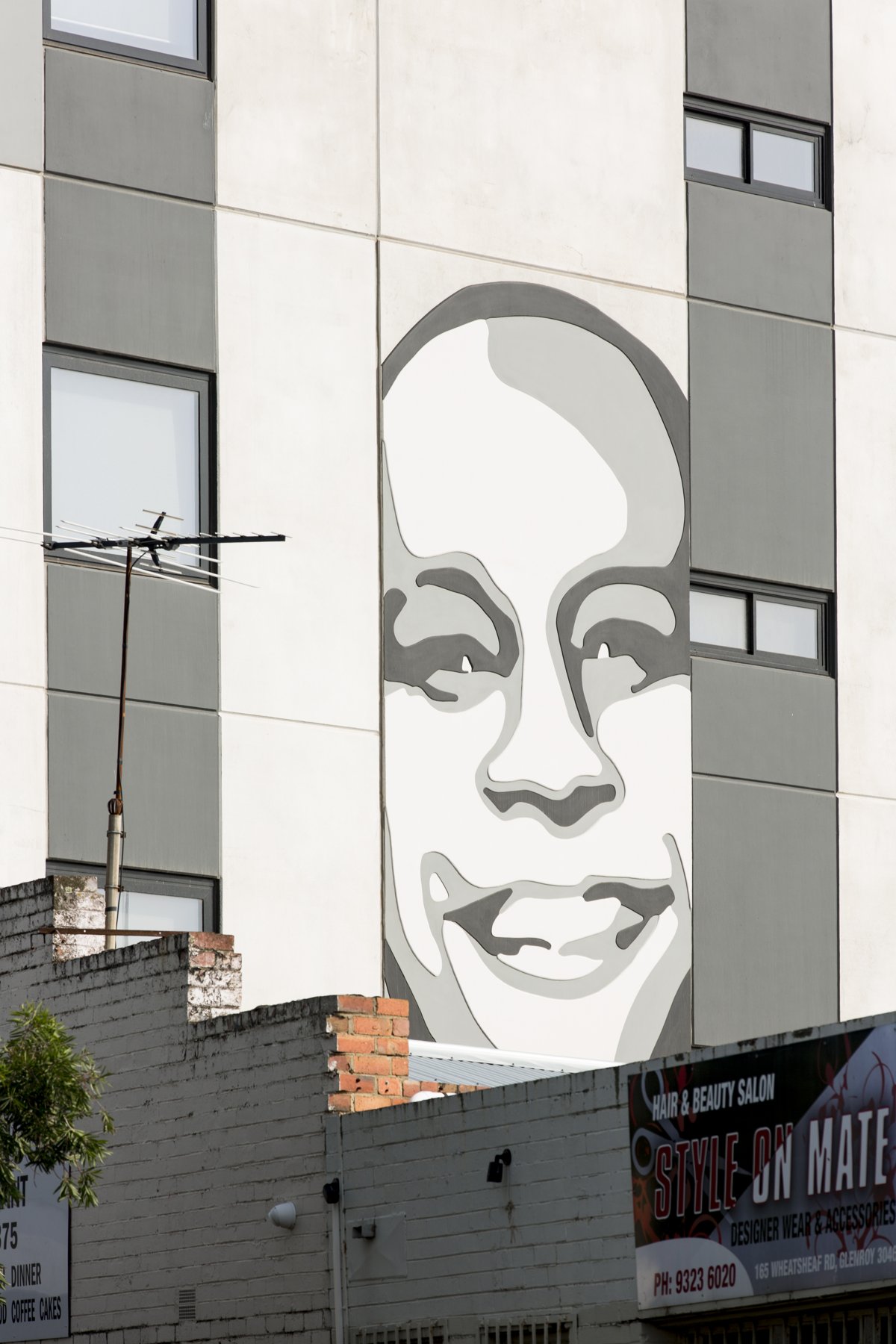
The design centred on portraits drawn from the local community. The project’s development records describe photographing people and translating those images into forms for the building’s concrete panels. The faces connect the scale of the architecture with the individual people who give the neighbourhood its character.
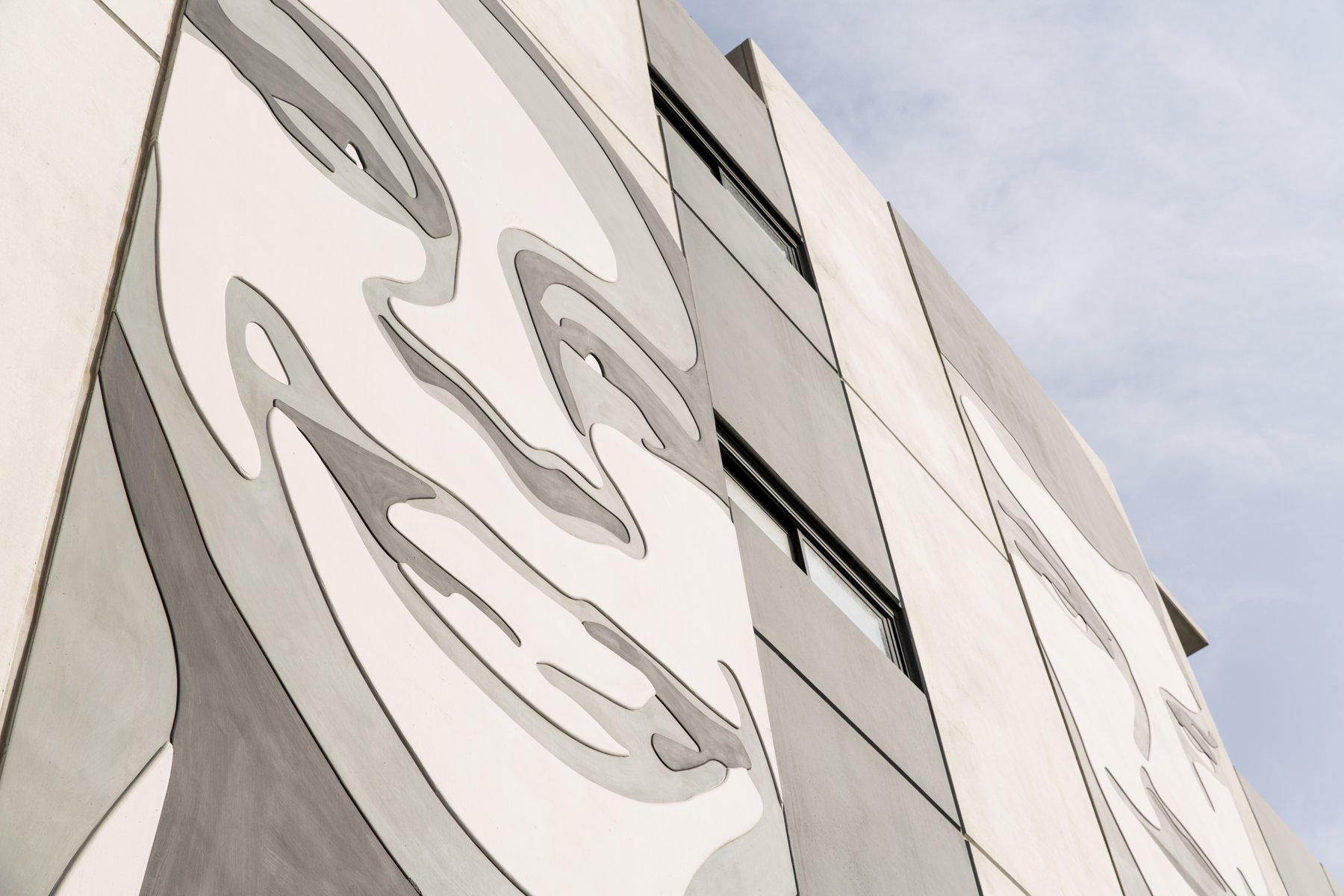
As the design developed, attention shifted towards familiar expressions, visual clarity and the way light and shadow would animate the sculptural surface. The resulting portraits can be read from the street, while closer views reveal their relationship with the material of the building.
Connecting engagement with delivery
The work required an idea to move between community engagement, design refinement and the practical conditions of construction. The original proposals document questions of fabrication, installation, durability and coordination alongside the community aims of the project.
For Soft Infrastructure, this relationship between participation and implementation is central. Community knowledge needs a route into the decisions, materials and processes that shape a place. The artwork offers a tangible example of bringing those considerations together.
Carrying an idea into built form
Alisha’s role also involved the work between concept and construction: refining images, considering scale and contrast, and coordinating between the client, project team and fabrication requirements. Her development records consider how a face would remain legible across panel seams and how relief, light and shadow would give the surface its presence.
The completed artwork places those portraits within the architecture itself. Its public encounter is part of an ordinary trip along the shopping strip, alongside the shops and routines that informed the research.
Relationships beyond the finished artwork
The work contributed to Alisha’s ongoing relationship with the Glenroy community. Those connections later informed the 2018 Window Shopping programme along Wheatsheaf Road, where artists worked with local businesses in a different form of place-based practice.
Together, the projects show a sustained interest in what happens around a building as well as what is built: how people participate, how local knowledge enters a project and how relationships can continue beyond a single commission.
Two distinct projects on the same street
Portrait Project is the building-integrated sculpture shown here. Window Shopping was a separate programme bringing contemporary art into local businesses. Its first iteration has its own story and image archive.
Read about the first Window Shopping iterationStory developed from Alisha’s original Glenroy research, concept and design-refinement records, with photographs of the completed artwork. All sculpture photographs: Lucy Foster / lulusnap photography.
Official information and sources
The council link provides the wider municipal policy context. The project account above draws on Alisha’s own records.