Creative producing · Artist residencies · Partnerships
Producing shopfront artist residencies
Producing an artist residency programme in local shopfronts, bringing artists, business owners and spaces together through development, shared planning and delivery into Window Shopping.
Project context
- Organisation
- Alisha Abate · artists · local business owners
- Context
- Artist development and shared planning feeding into Window Shopping
- Practice
- Creative producing · Artist residencies · Partnerships
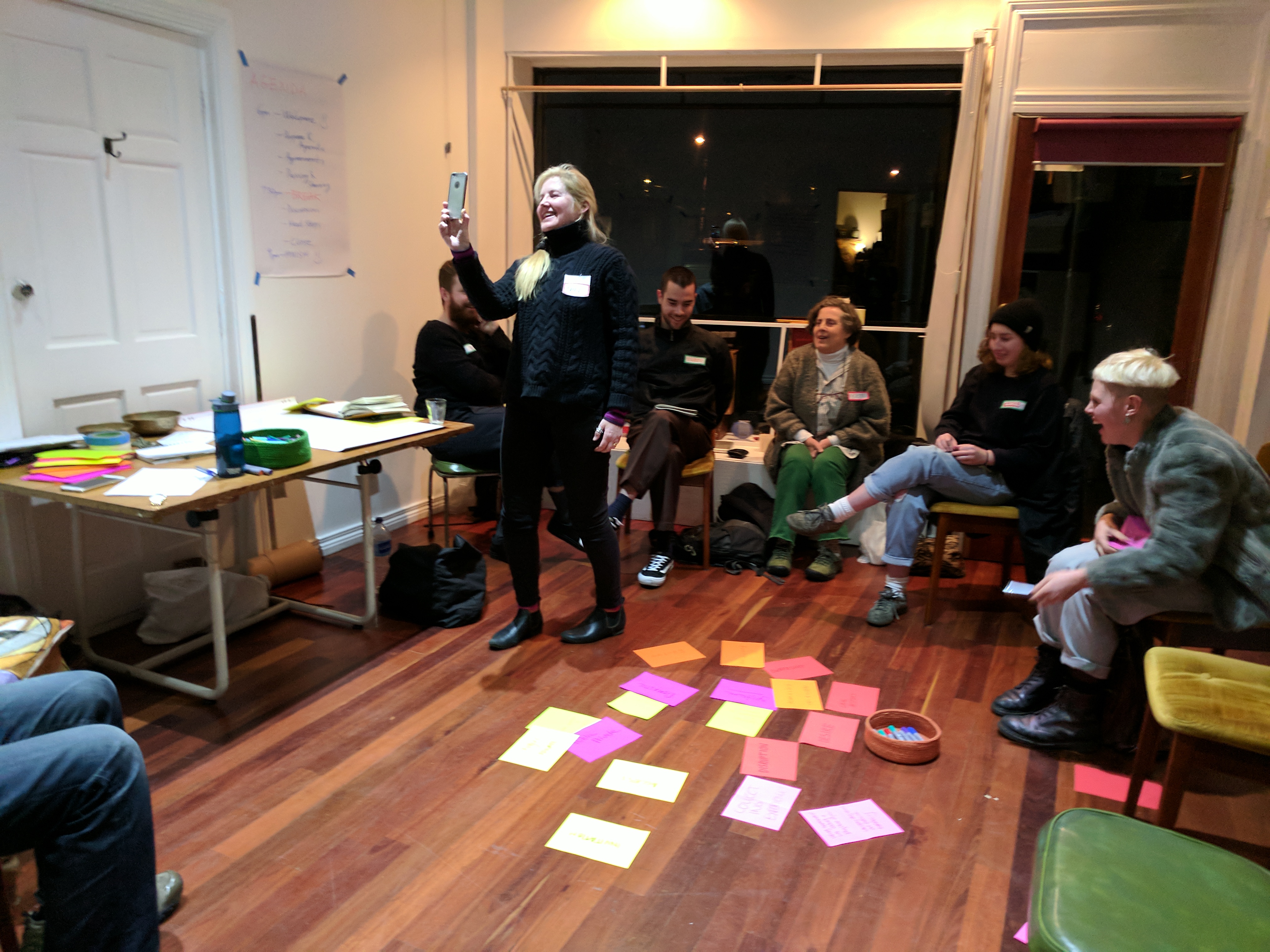
A programme feeding into Window Shopping
The shopfront artist residency programme brought artists into local business spaces to develop work in response to their surroundings. This development and coordination fed into Window Shopping, where the works were encountered across the neighbourhood.
Alisha’s role as producer
As producer, Alisha brought together the artists, local hosts and shopfront spaces, creating the relationships and practical structure through which the programme could develop. Producing involved understanding how each site operated, supporting artists to negotiate their work with hosts, and connecting creative development with installation and exhibition delivery.
Working with shopfront spaces
The artists worked with the features and routines already present: salon furnishings, shop shelves, window blinds, studio thresholds and community noticeboards. Development began with the character of each site and conversation with the people who used it.
Facilitated planning and shared direction
Before the exhibition, the artists came together at Fern Smith’s studio on 28 August 2017 for a session facilitated by Gill and Paul. They shared the intent of their individual works, developed group agreements and explored connections between the ideas. Alisha brought this facilitated session into the programme’s development, supporting shared direction across the artists’ individual works.
Connecting development with delivery
The planning records brought site arrangements, installation and deinstallation dates, artist information and access considerations into a shared process. This helped connect the development of individual works with the practical coordination of the public exhibition.
How this experience informs Soft Infrastructure
Producing across artists and local hosts required relationship building, shared direction, clear responsibilities and practical follow-through. These skills inform Soft Infrastructure’s work in engagement, facilitation, partnerships and programme delivery.
Official information and sources
Public sources provide programme, policy and research background. The contribution described above is Alisha’s account of her experience; these links do not independently verify every personal contribution or imply organisational endorsement.
Contribution, evidence and limits
This account describes Alisha’s contribution in the project context identified above. Read the role credits and source links alongside the account. Prior Council employment and partner-led work inform Soft Infrastructure’s practice; they are not presented as new consulting commissions. Outputs and activities are described where documented. No additional measured outcomes or causal impact are inferred.